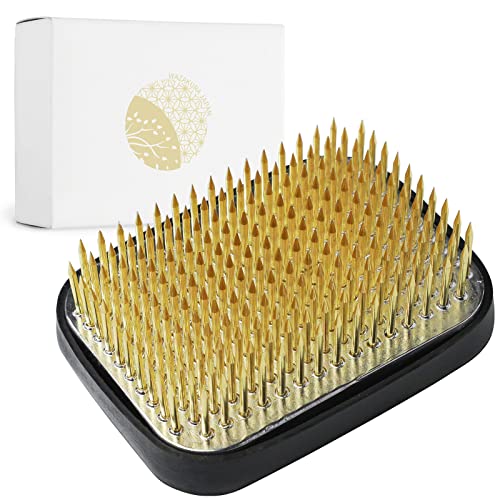
Essential Practices for Ikebana Success in 2026 and Beyond
As we move into 2026, the art of Ikebana continues to flourish, captivating practitioners and enthusiasts alike. This time-honoured Japanese floral arrangement technique not only embodies aesthetic beauty but also promotes mindfulness and a deep connection with nature. To excel in Ikebana, it is crucial to embrace certain fundamental practices that ensure success and personal growth within this serene art form.
Understanding the Principles of Ikebana
At its core, Ikebana is built on several guiding principles that differentiate it from mere flower arrangement. Emphasising simplicity, harmony and balance, Ikebana practitioners must grasp the significance of line, balance and space. In 2026, understanding these principles remains vital for creating arrangements that resonate with viewers on a deeper emotional level. Each element in an Ikebana arrangement must be intentionally placed, reflecting the natural beauty of the materials used.
Choosing Quality Materials
The selection of materials is one of the most critical aspects of Ikebana. In 2026, sourcing high-quality flowers, branches and foliage will significantly enhance your arrangements. Focus on seasonal blooms and local flora that resonate with the current environment. This not only supports sustainable practices but also allows for a richer palette of colours and textures, enabling the practitioner to express their artistic vision more fully.
People Also Look For:
- WANDIC Flower Arranging Pot, Irregular Ceramic Kenzan Flower Pot With 4.6cm Flower Pin Frog Black Flower Vase With Glaze In Random...
- Inzopo Round Container Flower Bonsai Pot Vase Suiban Ikebana Plastic - Black 28cm, as described
- Modern Ikebana: A New Wave in Floral Design
- Wazakura 5PCS Sakura Blossom Kenzan Set, Made in Japan, Mini Ikebana Floral Arranging Flower Frog, Florist Flower Arranging Access...
- CRAFFANCY Flower Arranging Pot, Mini Irregular Ceramic Kenzan Flower Pot With 4.6cm Flower Pin Frog & 100 Grams White Decorative S...
Practising Mindfulness
Ikebana is not merely about the end product but also about the process. Engaging in mindfulness practices while arranging flowers can deepen the experience and foster a greater appreciation for the art form. In 2026, practitioners are encouraged to approach each session with a sense of presence and intention. Take time to observe the materials, reflect on their unique characteristics and connect with the emotions they evoke. This mindful approach cultivates a more profound relationship with both the art and the natural world.
Experimenting with Styles
Ikebana is a versatile art form, encompassing various styles, from traditional to contemporary. As we embrace 2026, practitioners should feel encouraged to explore and experiment with different styles. Traditional forms such as Shin, Soe and Tai can serve as a foundation, but do not hesitate to blend these with modern influences. This experimentation can lead to unique compositions that reflect personal creativity while honouring the principles of Ikebana.
Engaging with the Community
Connecting with fellow Ikebana practitioners can greatly enhance one’s skills and knowledge. In 2026, consider joining workshops, online forums, or local classes to share experiences, techniques and insights. Engaging with the community can provide support and inspiration, allowing you to learn from others and expand your understanding of the art. Collaborative projects or exhibitions can also be a wonderful way to showcase your work and learn from the creativity of others.
Documenting Your Journey
Maintaining a journal of your Ikebana practice can be beneficial for tracking progress and reflecting on your artistic journey. In 2026, consider documenting not only the arrangements you create but also your thoughts and feelings during the process. This practice can reveal patterns in your work, highlight areas for improvement and celebrate your successes. It can also serve as a source of inspiration for future projects, encouraging continuous growth and exploration within the art.
The Importance of Patience and Persistence
Like any art form, mastering Ikebana requires patience and persistence. In 2026, it is essential to recognise that developing skills and creating meaningful arrangements takes time. Embrace the learning process, allowing yourself to make mistakes and learn from them. Each arrangement is an opportunity to grow, and understanding that progress may come in waves can help maintain motivation and enthusiasm for the practice.